Which Step in This Process Requires Use of Restriction Enzymes
C cut DNA at specific sites. The digested DNA is ready for use in research applications.

Ctab Dna Extraction Buffer For Plan Dna Extraction The Complete Process Of Ctab Plant Dna Extracti Laboratory Techniques Biochemistry Notes Dna Extraction Lab
Step B When DNA from two sources is combined into one single piece of DNA it is known as recombinant DNA When plasmids are used to produce a desired protein the desired gene is inserted into the plasmid and the plasmid is returned to the bacterium by transformation.
. Stop the digestion by heat inactivation 65C for 15 minutes or addition of 10 mM final concentration EDTA. The denaturation process typically commences at 93-95 degrees Celsius. If everything was designed properly we would know exactly.
DNA ligase a separate enzyme can join together two DNA molecules with matching ends. A restriction enzyme is a DNA-cutting enzyme that recognizes specific sites in DNA. The cell protects its own DNA from disassembly by adding methyl groups in a process called modification.
Which step in this process requires use of restriction enzymes. After performing the experiment confirm the Digestion of DNA by running a small amount of it in agarose gel with an undigested standard DNA. Step-by-Step Guide to RFLP Analysis Step 1 Isolate DNA.
Cut DNA at specific sites. The first step listed is to digest the PCR product. One common method is based on restriction enzymes and DNA ligase.
The restriction enzymes that are used in Recombinant DNA technology play a significant role in determining the place where the desired gene will be inserted into the genome of the vector. The cut would open up the circle in the LacZ gene. Some restriction enzymes require BSA.
Then you transform the ligated plasmid into a bacterium usually E. Applications of Restriction Enzymes They are used in RFLP techniques to cut the DNA into smaller fragments to study the fragment length differences among the individuals. Restriction enzymes dismantle foreign DNA by cutting it into fragments.
Bind together strands of DNA. Step 4 Prepare Sample for Analysis. Bacteria are protected from foreign DNA by using restriction enzymes to.
Many restriction enzymes make staggered cuts at or near their recognition sites producing ends with a single-stranded overhang. They are also used for SNPs analysis and identifying gene alleles. However this is only possible if a mutation alters the restriction site of the enzyme.
The enzymes that comprise the restriction enzymes aid in cutting the polymerases they aid in the production of synthesized proteins and the ligaseshelp to connect. D Sets found in the same folder harms 12 32 terms dukkadukka. Restriction enzymes a bind together strands of DNA.
So by using restriction enzymes with DNA ligase enzymes pieces of DNA from different sources can be used to create a single DNA molecule. Recombinant DNA technology relies on restriction enzymes to produce new combinations of genes. The problem of course is that the devil is.
Protocol for Sequential DNA Digestion. This is because gene cloners have placed a piece of DNA that has many restriction enzyme cutting sites within the LacZ gene. 1 µL each restriction enzyme 15 µL sterile water Incubate the reaction at digestion temperature usually 37 C for 1 hour.
D Restriction enzymes specifically recognize and cut short sequences of DNA called introns. Stop transcription and translation. In such cases make sure that it is added to the reaction mixture.
For this we will use restriction enzymes and incubate them with the PCR products. In Gene Cloning During cloning a gene is inserted into a plasmid. Restriction enzymes cut the plasmid producing single-stranded overhangs.
D stop transcription and translation. Step 2 Perform PCR. B facilitate nucleotide base pairing.
The strands are taken into consideration for denaturing it with the help of denaturating enzymes called restriction endonucleases. Restriction Fragment Length Polymorphism RFLP Introduction Restriction Fragment Length Polymorphism RFLP is a difference in homologous DNA sequences that can be detected by the presence of fragments of different lengths after digestion of the DNA samples in question with specific restriction endonucleases. When a restriction enzyme such as BamHI is used to cut the plasmid it would cut the circle at one place.
Step 5 Perform Capillary Electrophroesis. Here the hybridization of DNA primers happens. After producing sticky or blunt ends cleaved DNA is purified and inserted into the DNA of the host bacteria in a step called transformation.
Restriction enzymes facilitate nucleotide base pairing. Restriction enzymes are utilized for gene insertion into plasmids during cloning and protein expression experiments. Step 3 Perform Restriction Digestion.
Cutting DNA samples by the same restriction enzymes and analyzing the resulting DNA fragments by DNA fingerprinting indicates which DNA samples have similar restriction sequences. The procedure for restriction cloning is quite simple. RFLP as a molecular marker is specific to.
An alternative to the potentially biased fragmentation introduced by restriction enzymes is the use of nicking enzymes. This part of the plasmid is called the multicloning site because it gives. Step 6 Analyze Data.
This step requires a temperature of about 50- 70 degrees Celsius. Restriction enzyme cloning is one of the earliest techniques in the field of molecular cloning but remains popular due to a low cost-to-reliability ratio. This disassembling process is called restriction.
Genomic DNA fragmented at specific recognition sites by restriction enzyme in one step A and random sites by nicking enzyme and single-strand-specific endonuclease in two-step process B. Restriction enzymes digest the plasmid you prepare an insert either from another plasmid or one you synthesized and last T4 DNA ligase ligates the plasmid and insert. Restriction enzymes can assist with the process because of the single-stranded overhangs they leave when they make cuts.
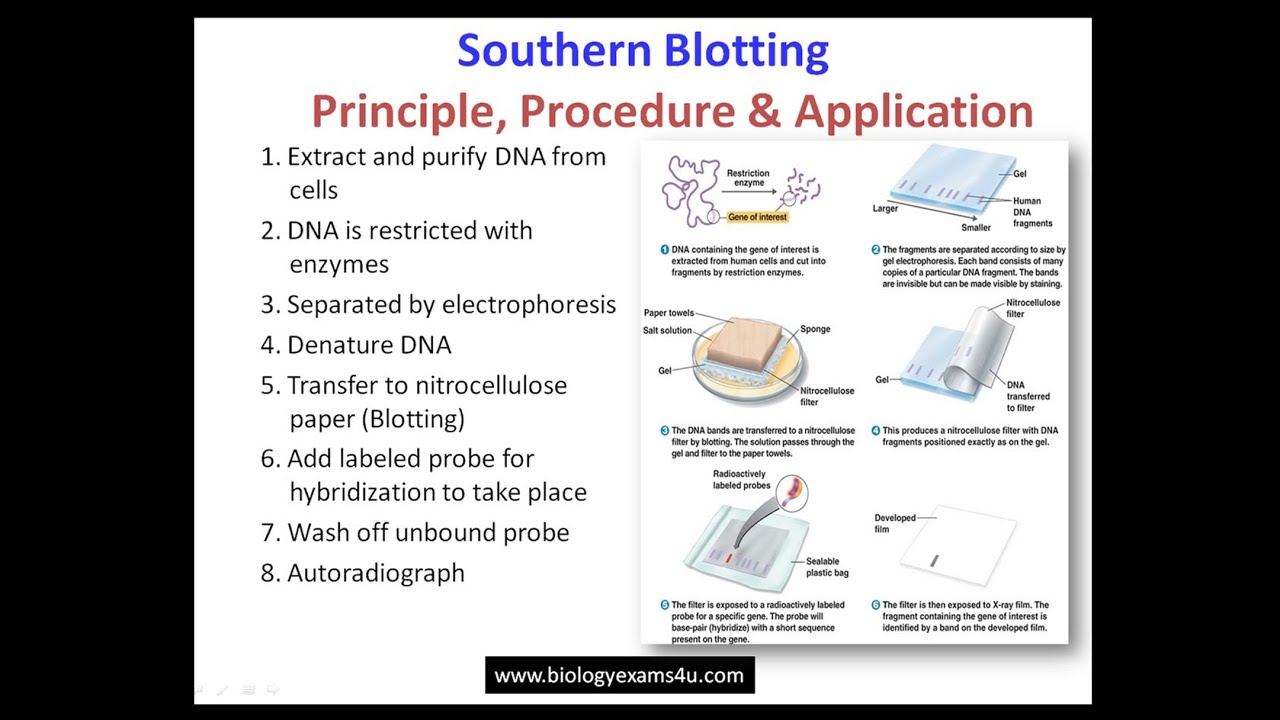
Southern Blotting Principle Procedure And Applications Youtube Teaching Biology Molecular Biology Science Biology

Recombinant Dna Shmoop Biology Recombinant Dna Dna Technology Biology Worksheet

Use Of Restriction Endonucleases And Ligase In Genetic Engineering Recombinant Dna Dna Technology Biotechnology


Comments
Post a Comment